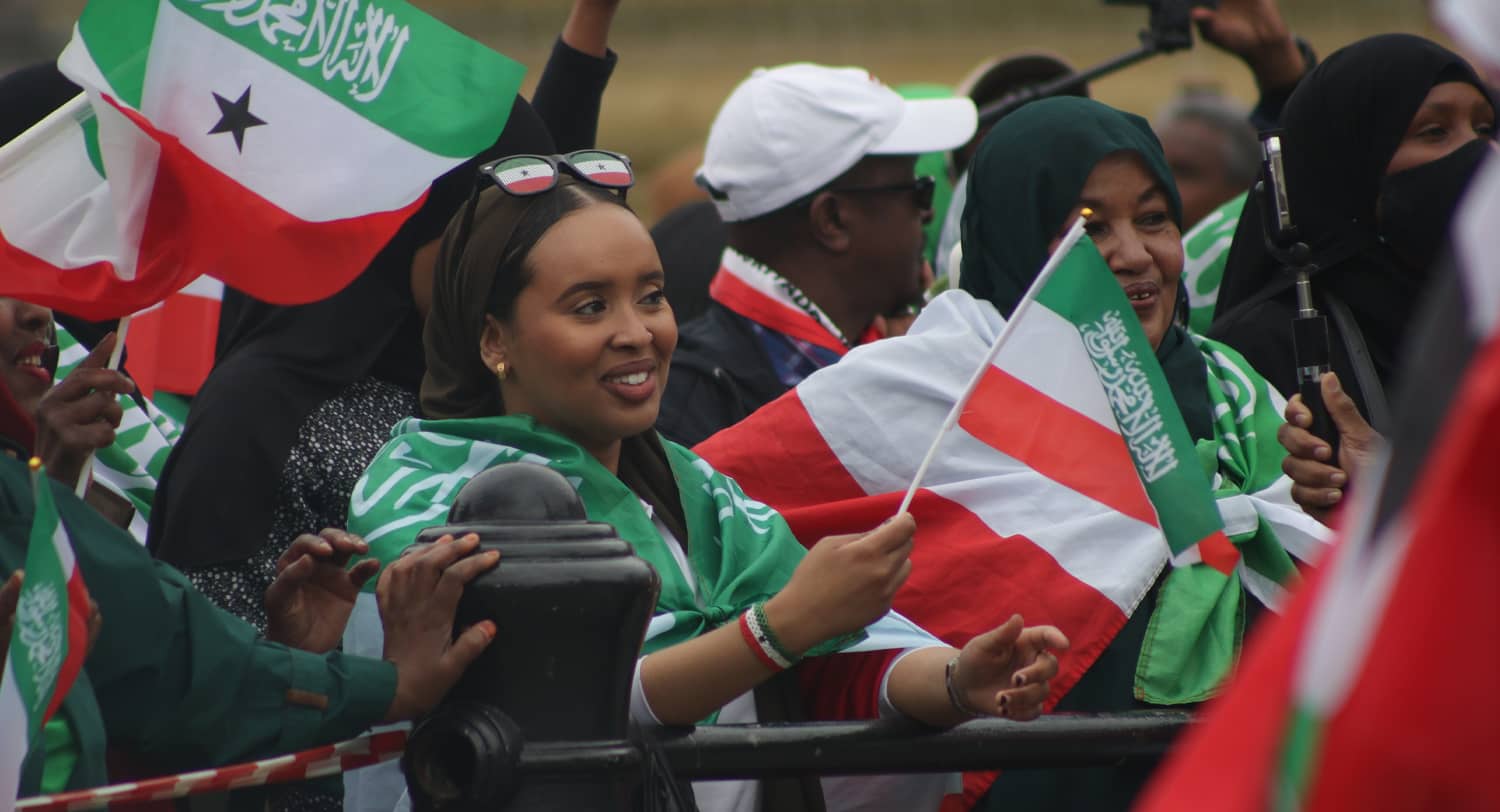
On December 26, 2025, Israeli Foreign Minister Gideon Sa’ar announced on X that Israel has recognized Somaliland, becoming the first country in the world to officially do so. “Over the past year, based on an extensive and ongoing dialogue, relations between Israel and Somaliland have taken shape,” he wrote. “Today we signed an agreement on mutual recognition and the establishment of full diplomatic relations, which will include the appointment of ambassadors and the opening of embassies.”
Fireworks erupted in Hargeisa, Somaliland’s capital. Five years ago, the Somaliland president and foreign minister expressed their private interest in Israel ties, though it took some time to convince the Netanyahu government to engage. But Somalilanders were patient and persistent. They are one of only two African countries today who side with Taiwan over China. They embrace the United Kingdom and European Union and partner with the United Arab Emirates over more reactionary Arab states.
Background on Somaliland
Somali nationalists claim that recognition of Somaliland’s independence is an assault on Somali unity. But the unity they imagine never existed. The five-pointed white star on Somalia’s pale blue flag, the “star of unity,” stands for five regions where ethnic Somalis reside: the former Italian colony (today’s Somalia), the former British colony (today’s Somaliland), the former French coaling station that today is Djibouti, Ethiopia’s Ogaden region, and Kenya’s North Eastern province.
In 1960, Somaliland won its independence from Britain. Five days later, however, Somaliland’s government chose to unify with the former Italian colony to form what would become Somalia.
It was not a happy marriage, and the former British protectorate split from Somalia in 1991.
Somali culture is clan-based, and the country’s Cold War dictator, Mohamed Siad Barre, first repressed and then attempted outright genocide of the Isaaq clan predominant in the former British Somaliland, which formed the core of resistance against his brutal rule. By the time Somalis ousted Siad Barre, his forces, augmented by South African and Angolan mercenaries, had killed up to 200,000 Isaaq clan members and leveled 80 percent of the city of Hargeisa.
Siad Barre’s exile in 1991 led to a vacuum of power throughout the country. The world remembers the period for its anarchy, starvation, warlordism, and “Black Hawk Down” chaos. But few know of the political consensus reached that year in Somaliland.
Rather than fight each other, Somalilander business leaders quarantined their political elites until they were able to hash out a new compact. Academics debate why it was successful. Some suggest the bifurcation between business and political elites helped. Businessmen looked at Mogadishu and feared a repeat; they accepted no political dysfunction that could interrupt their livestock trade.
Others say it was a unique moment. The Somali and Somaliland diasporas can afford to take uncompromising, radical positions that they don’t have to live with every day. But the Somaliland compact of 1991 came before cellphones, so local elites could create a fait accompli before diaspora communities could interfere.
Somalilanders lacked modern banking and mortgage financing. This meant they self-financed homes and businesses based on family loans. Noone was willing to subordinate themselves to politicians in Mogadishu consistently ranked by Transparency International as among the world’s most corrupt. Few Somalilanders living today have any direct memory of Mogadishu’s rule. They know history, though. To demand Isaaqs live under Mogadishu would be akin to demanding Rwandan Tutsis subordinate themselves to Hutu genocidaires; it simply was never realistic.
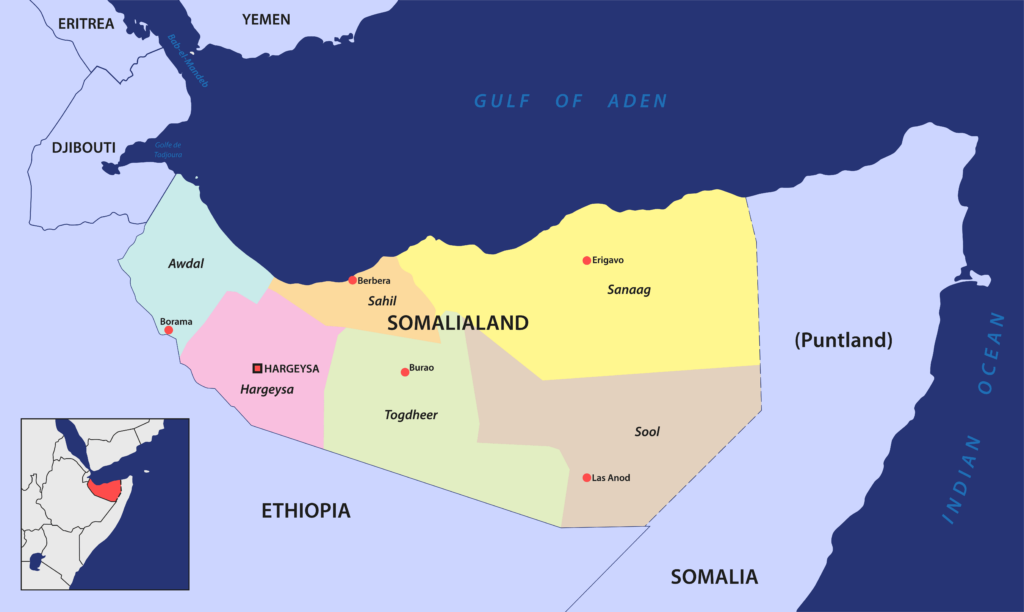
Unlike many other would-be secessionist states like the Kurds in Iraq, Biafrans in Nigeria, or Ambazonians in Cameroon, Somaliland’s borders were set by treaty under the British protectorate. Somalia might harbor irredentist claims to the regions of Sool and Sanaag, but this was always more the attempts of Mogadishu to distract from its own failures and China’s desire to wage a proxy war against Taiwan, with whom Somaliland partners.
Self Reliance Worked
Somaliland’s three decades of isolation, in hindsight, may have been a blessing. The international community dumped billions of dollars of aid into Mogadishu, but Somaliland received next to none and had to raise its own budget from customs revenue and taxation. As a result, Somaliland built capacity and a tax base. It is home to major investments—multibillion-dollar communications and mobile money companies, one of the continent’s largest Coca Cola bottling plants, hotels, resorts, and transportation companies. Its deep-water Berbera port now competes with Djibouti and Mombasa. Most businesses that the international community labels as Somali are actually owned by Somalilanders.
Nowhere has Somaliland demonstrated its capacity and accountability more than with elections. Somaliland, unlike Somalia, has held more than eight elections since 1991. One was decided by less than 100 votes of more than one million cast. Each change of power has been peaceful. Somaliland elections are among the world’s most secure, with voter registration certified with biometric iris scans.
Who is Next?
Ethiopians often joke they will not be the first country to recognize Somaliland, but they will not be the third either. Somalilanders initially sought to win recognition in West Africa from countries like Gambia—another country that resumed independence after a failed confederation. Gambia only reversed course after receiving significant bribes from Somaliland opponents.
The United States itself is actively debating recognition. The Pentagon and many in Congress favor it, though the State Department is dragging its feet.
Recognition of Somaliland has strategic benefits. The port of Berbera has one of the longest airstrips in Africa; it used to be an emergency landing strip for the U.S. space shuttle program. Several years ago, the United Arab Emirates renovated and upgraded it. Today, it could become a hub for anti-Houthi operations. The United States could also use Berbera as an alternative to an increasingly crowded Djibouti and interference from the Chinese base there.
What Israel has realized is that unity in the case of Somalia and Somaliland is neither realistic nor moral. They have gone separate ways since 1991, with Somaliland moving in positive directions that should be rewarded with recognition and engagement.