As the Trump administration grapples with how best to confront Iran, its efforts remain centered on sporadic military action and the promise of aggressive economic sanctions. Meanwhile, inside the country, a human rights crisis is escalating—one that Washington is uniquely positioned to help counter.
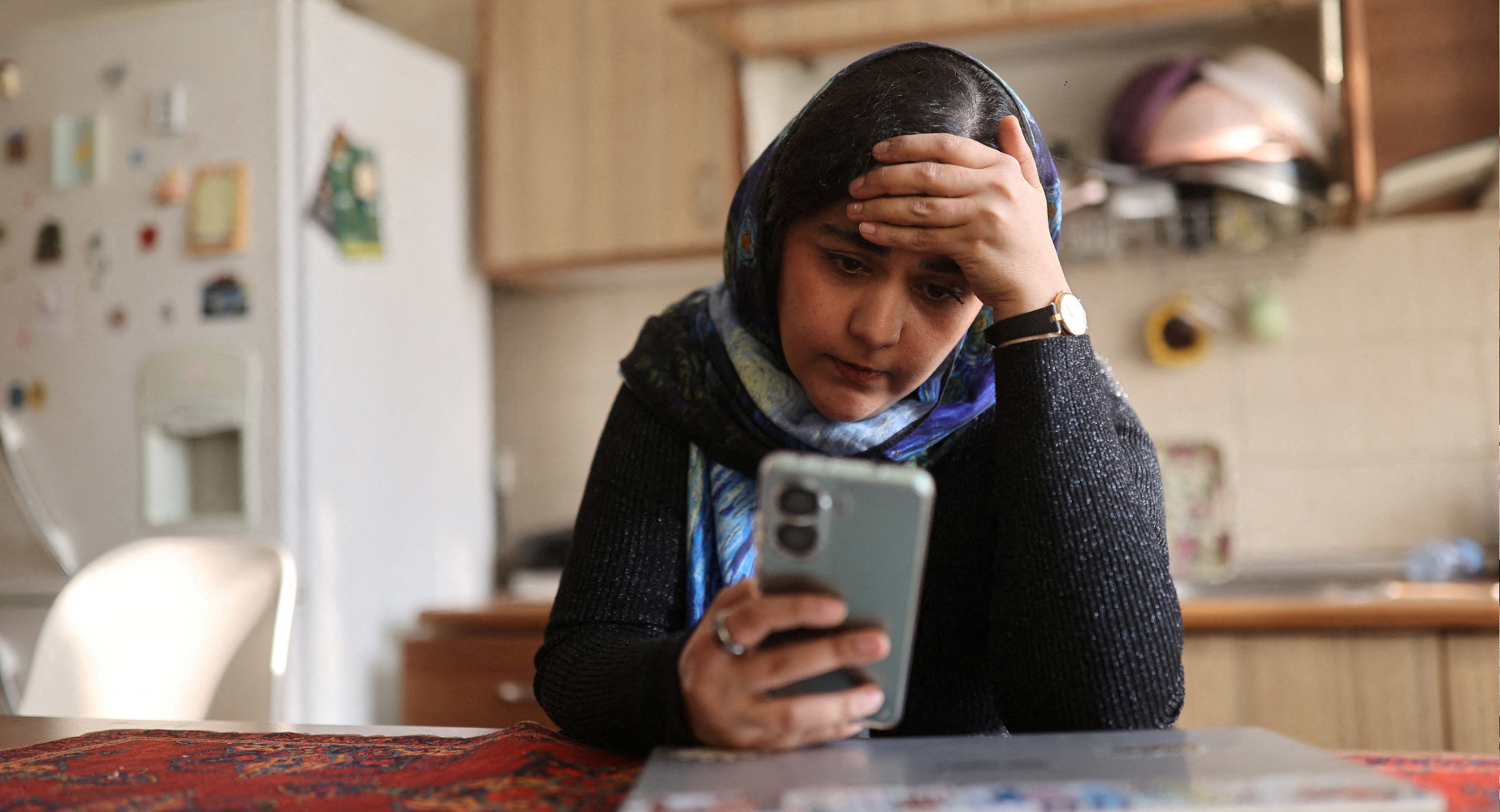
Over the past half-year, unprecedented attacks on the information space by Iranian authorities have left ordinary Iranians isolated from the outside world. Starting on February 28th, the day President Trump announced the start of “Operation Epic Fury,” the regime plunged Iran into digital darkness, leading to the longest nationwide internet blackout in modern history.
To be sure, this was hardly the first time the regime has weaponized internet access against its population. Digital blackouts have become a fixture of regime responses to domestic dissent ever since the outbreak of the “Green Movement” in the summer of 2009. But Tehran’s growing sophistication in countering traditional “circumvention,” tools and methods by which Iranians have managed to remain online despite official restrictions, offers important lessons for the U.S. now.
Since the Islamic Republic began imposing internet restrictions more than a decade-and-a-half ago, citizens have used virtual private networks (VPNs) to encrypt their traffic and reach content typically blocked by the government. VPN services, moreover, have adapted to keep pace with the regime’s ongoing efforts to block them. For instance, when authorities began blacklisting the known IP addresses of major VPN servers, services like Psiphon launched peer-to-peer alternatives such as Psiphon Conduit, which routes Iranians users through devices owned by international volunteers that are connected to local WiFi networks, making the resulting connections far more difficult to trace and block.
But the latest blackout exposed a grim reality: VPNs simply can’t outsmart a total internet shutdown. While encryption can help users bypass the blocking of websites and platforms, it can’t create a pathway to the global internet where none insists. When the regime shuts down the internet entirely, VPNs are rendered useless.
Starlink, the satellite internet network run by Elon Musk’s SpaceX, was widely seen as the solution, and for ample reason. Operating through 11,000 low Earth orbit satellites entirely outside of terrestrial internet infrastructure, Starlink should theoretically be immune to domestic shutdowns. Moreover, the technology is widespread; some 50,000 Starlink terminals are reportedly active in Iran today.
But this spring’s shutdown exposed real shortcomings in Starlink’s ability to keep Iranians online. Authorities deployed military-grade jamming tools to disrupt Starlink connections (mirroring technology Russia has used in Ukraine) and flew drones over Iranian neighborhoods to spot satellite dishes. The regime also enacted legislation criminalizing satellite internet use; possessing, purchasing, or selling unauthorized terminals now carries a six-month to two-year sentence, while manufacturing or importing more than ten devices carries five to ten year terms. Facing that kind of pressure, Iranians were left to choose between connectivity and freedom.
The problems have persisted. As of May 28th, internet access in Iran has been partially restored, but the country’s information sphere is still far from free. And with vast technologies, extensive legal instruments, and intrusive censorship systems at their disposal, the question isn’t whether authorities will take Iran offline again, but how the U.S. can help keep Iranian civilians connected when they inevitably do.
This remains essential because, regardless of the outcome of the current conflict, the Iranian people remain central to any lasting change in Iran. Access to factual information, the ability to reach the outside world, and a functioning civil society aren’t peripheral to a sustainable Iran strategy—they’re essential to it.
That’s a priority that U.S. lawmakers understand. There is now broad, bipartisan support for promoting internet freedom and access to information in Iran. The IRAN Act, introduced in February, would mandate an evaluation of existing circumvention tools and investment into promising alternatives like Direct-to-Cell (D2C)—satellite technology currently used for emergency services in mobile network coverage gaps that could provide connection to Iranians through the SIM cards already in their phones rather than through detectable, expensive terminals.
D2C is no longer a theoretical solution. U.S.-based satellite operator AST SpaceMobile recently launched its commercial Direct-To-Cell service in Japan by partnering with mobile network operator Rakuten. And last week, the FCC granted AST SpaceMobile temporary authority to conduct testing on commercial devices across two U.S. spectrum bands.
Federal funding can accelerate this momentum. By backing D2C and the U.S. companies building it, Washington can help scale, coordinate, and sustain these efforts for the more than 90 million Iranians who need reliable, resilient connectivity.
Without it, we risk isolating the most powerful force for change in Iran: its people.