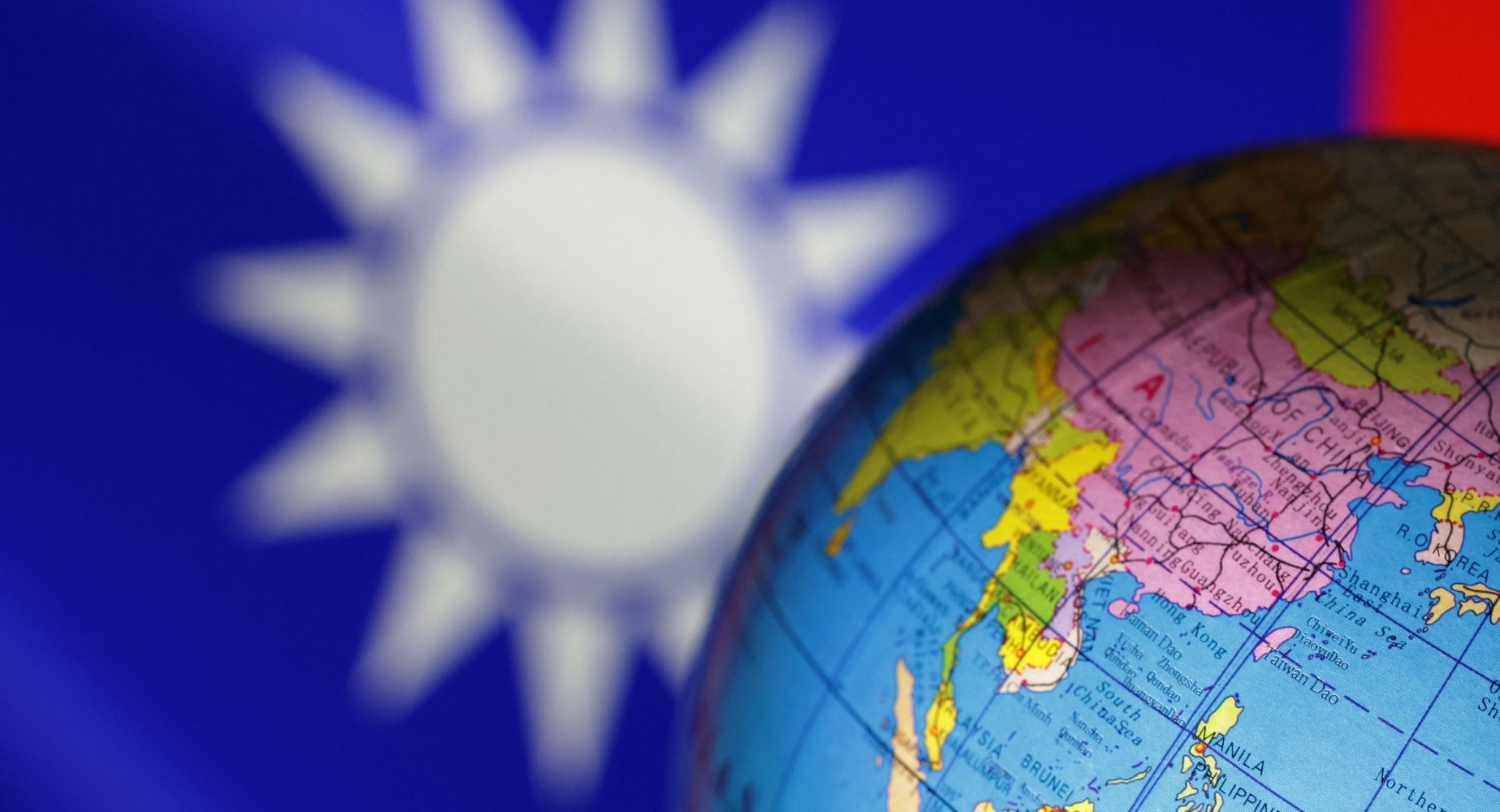
Since the Democratic Progressive Party (DPP) returned to power in 2016 under President Tsai Ing-wen, Taiwan’s national strategy has undergone a profound reorientation. Facing intensified geopolitical pressure from the People’s Republic of China (PRC), the DPP government has executed a sophisticated and interconnected strategy focused on four pillars: Diplomatic Resilience, Economic Autonomy, Technological Statecraft, and Whole-of-Society Resilience. This grand strategy aims not merely at survival, but at securing Taiwan’s de facto sovereignty and elevating its status as an indispensable partner in the global democratic and economic order.
The geopolitical context for Taiwan is defined by Beijing’s aggressive campaign to isolate the island diplomatically and economically, often referred to as the “anaconda strategy.” Taiwan’s response is a strategy of diplomatic resilience that prioritizes substantive relationships over formal recognition.
Taiwan’s traditional diplomatic struggle has been the battle for formal recognition from sovereign states, a contest dominated by the PRC’s vastly superior economic and political resources, often through the use of “dollar diplomacy“. Since 2016, the PRC has succeeded in poaching several of Taiwan’s few remaining diplomatic allies, systematically attempting to strip the island of its international legitimacy.
Foreign Aid as a Diplomatic Tool: Taiwan’s historic use of development aid in Latin America, the Caribbean, and the Pacific is inextricably linked to its foreign policy, with the primary goal being the retention of diplomatic recognition.4 This is a high-cost strategy, often forcing Taipei into transactional diplomacy to counter Beijing’s immense financial resources.
Shifting Focus to Substantive Ties: Recognizing the diminishing returns and high political cost of this battle, the DPP has strategically de-emphasized the pure number of diplomatic partners in public discourse. The pivot is toward strengthening “substantive relations” with key like-minded democracies, particularly the United States, Japan, and European nations. This involves deepening cooperation in non-official but highly impactful areas like trade, technology, security, and global health (e.g., the mask diplomacy during the COVID-19 pandemic). This strategy is designed to solidify Taiwan’s de facto sovereignty and enhance its international standing even without de jure recognition from most UN member states. The expansion of reciprocal representative offices and high-level visits, particularly from European parliaments and the US Congress, is a testament to the success of this approach.
A crucial component of counter-isolation is maximizing engagement with the international community, even when formal statehood recognition is denied. Taiwan seeks to demonstrate its value as a responsible stakeholder and a vibrant democracy.
Participation in International Fora: Taiwan actively seeks to maintain and expand its presence in international political and economic organs, even if only as an observer or through non-governmental organizations (NGOs). Initiatives like the Global Cooperation and Training Framework (GCTF), a partnership with the US and Japan, allow Taiwan to contribute its expertise in areas like public health, disaster relief, and good governance. This soft power outreach highlights the differences between Taiwan’s aid model and the PRC’s frequently criticized “debt trap” diplomacy, earning Taipei goodwill and tacit support from influential actors.
Democratic Solidarity: The DPP frames its foreign policy within a global narrative of “democracies against authoritarianism.” This values-based approach resonates with public opinion in many Western nations, generating grassroots support for Taiwan’s security and participation. By contrast, the PRC’s increasingly assertive and aggressive behavior has alienated potential diplomatic partners, inadvertently providing Taiwan with a more favorable international platform.
A core vulnerability the DPP seeks to address is Taiwan’s historical economic over-reliance on mainland China, which Beijing consistently leverages for political coercion. The strategy for economic autonomy involves a two-pronged approach: internal industrial restructuring and external market diversification.
The New Southbound Policy (NSP), launched in 2016, is the flagship initiative for external economic diversification. It seeks to strengthen Taiwan’s ties with the 10 ASEAN countries, six South Asian states, Australia, and New Zealand. Crucially, the NSP is not purely an economic strategy; it is a profound geopolitical and security policy in economic disguise.
Shifting Investment Flows: The NSP encourages Taiwanese firms to re-orient their supply chains and investments away from the PRC. Data shows a demonstrable trend of decreased outward Foreign Direct Investment (FDI) to Mainland China and a corresponding increase in FDI toward NSP partner countries, particularly ASEAN. While investment flows fluctuate year-to-year, the long-term trend indicates a strategic re-balancing. For instance, by 2021, Taiwanese investment in ASEAN, Australia, and New Zealand was roughly equal to that in Mainland China, an unthinkable parity a decade prior.
By embedding Taiwan more deeply into the broader Indo-Pacific economic and social fabric, the NSP seeks to create a “security buffer” and an expanded base of regional actors with a vested interest in Taiwan’s stability and prosperity. It aligns Taiwan’s strategic interests with those of the US and its allies’ Indo-Pacific strategies, making Taiwan a more vital and integrated part of the regional order.
Internally, the DPP government has pursued a strategy of economic re-autonomy by investing heavily in high-value, strategic industries to maintain a competitive advantage that Beijing cannot easily replicate or replace.
The “5+2” Industrial Innovation Plan: This plan focuses on developing five pillar industries—smart machinery, Asian Silicon Valley (IoT), green energy, biomedical, and national defense—along with two ancillary sectors (the circular economy and high-value agriculture). The core goal is to upgrade Taiwan’s manufacturing base from a purely export-driven model to a center for high-tech innovation, particularly focusing on retaining high-value production and talent within Taiwan.
Countering Economic Coercion: This policy is a direct response to the vulnerability demonstrated by PRC economic sanctions, such as import bans on specific Taiwanese agricultural products. By diversifying its domestic economy and seeking new markets, Taiwan has exhibited a “power of the weak” strategy, absorbing the shock of coercion while simultaneously making future coercion more costly for Beijing. The commitment to internal industrial upgrading has contributed to Taiwan’s robust GDP growth and healthy fiscal position.
Taiwan’s most potent geopolitical lever is its centrality in the global advanced technology supply chain, particularly in semiconductors. The DPP has expertly used this economic strength as a form of “technological statecraft” to enhance its security and international standing.
Taiwan Semiconductor Manufacturing Company (TSMC) and its ecosystem grant Taiwan a unique form of asymmetric leverage, often dubbed the “Silicon Shield.” This concept posits that a military conflict over Taiwan would be so catastrophic to the global economy due to the disruption of advanced chip supply that it provides a powerful, if not absolute, deterrent. Taiwan dominates the foundry market and is the exclusive producer of the most advanced logic chips, which are essential for everything from consumer electronics to advanced military and AI applications.
Leveraging Investment for Diplomatic Gains: Taiwan has deftly used this technological advantage in its economic dialogues with the US. While the US CHIPS and Science Act aims to onshore semiconductor manufacturing, TSMC’s major investments in US facilities are an implicit part of the strategic US-Taiwan partnership. This cooperation, formalized through dialogues like the U.S.-Taiwan Initiative on 21st-Century Trade, goes beyond mere commerce. It builds a transnational economic security architecture that further intertwines US and Taiwanese interests, making the commitment to Taiwan’s security a matter of US national economic security.
Export Control Alignment: The US and Taiwan have also been aligning on export controls targeting the PRC’s advanced chip manufacturing capabilities. Taiwan’s inclusion as a key partner in the US’s export control regimes demonstrates a high level of trust and strategic alignment, granting the US leverage while simultaneously helping Taiwan safeguard its technological lead.
Taiwan’s application to join the Comprehensive and Progressive Agreement for Trans-Pacific Partnership (CPTPP) is a high-stakes move central to its diversification and recognition strategy.
Economic Goals: Membership would grant Taiwan preferential access to a large, dynamic trade bloc, further diversifying its exports and insulating its economy from PRC coercion.
Sovereignty as an Outcome: The political goal is arguably more significant. Gaining membership in a major regional trade pact composed of democracies like Japan, Canada, and Australia would significantly boost Taiwan’s de jure international status as a full-fledged economic actor, making it harder for the PRC to claim the island is simply a local jurisdiction. The DPP frames this bid as a defense of the “democratic zone of peace” against authoritarianism.
While the first three pillars of Taiwan’s strategy focus on international positioning, the fourth pillar—Whole-of-Society Resilience—targets the domestic foundation. This strategy, championed by President Lai Ching-te through the newly established Whole-of-Society Defense Resilience Committee, aims to ensure that Taiwan remains “extremely difficult to defeat” by strengthening the civilian response to both natural disasters and military contingencies.
The DPP’s grand strategy, focused on national security and economic autonomy, faces significant headwinds from domestic political fragmentation and persistent socio-economic inequalities. The success of external policy is constantly measured against its impact on the livelihood of ordinary Taiwanese citizens.
\The fundamental divide in Taiwan’s politics—the question of relations with the PRC—directly shapes public and political reception to the DPP’s economic policies.
The Blue vs. Green Economic Divide: The ruling DPP (Green Camp) champions the New Southbound Policy (NSP) and the push for economic decoupling from the PRC as vital for national security. The main opposition party, the Kuomintang (KMT, Blue Camp), generally advocates for resumed cross-strait dialogue and closer economic ties. The KMT and the rising Taiwan People’s Party (TPP) often tap into public anxieties about economic stability to criticize the perceived stagnation of the domestic economy under the DPP.
The Post-2024 “Triple Minority” Dilemma: Following the 2024 elections, the DPP president faces a “triple minority,” lacking a majority in the Legislative Yuan (LY) and most local governments. This institutional gridlock and political turbulence makes the consistent, long-term implementation of the NSP and other strategic economic plans highly vulnerable to opposition review and blockage.
Despite its macroeconomic success, Taiwan’s economic structure has contributed to a growing social gap, which opposition parties leverage to generate domestic discontent.
Stagnant Wages and High Housing Costs: While the high-tech sector has driven robust national GDP growth, the benefits of this “technological statecraft” have not been evenly distributed. Wages in the service sector and traditional industries remain largely stagnant, while housing costs have surged, leading to pervasive public dissatisfaction, especially among younger voters.
The Political Cost of Diversification: This phenomenon—the “Semiconductor Paradox”—creates political vulnerability for the DPP. Voters may prioritize immediate economic relief and domestic fairness over the long-term, abstract benefits of geopolitical security and economic diversification (like the NSP).
Taiwan’s bid to join the CPTPP, a key pillar of its diplomatic and economic strategy, faces significant domestic resistance over the required liberalization of protected sectors.
Agricultural Concerns: To meet the CPTPP’s high-standard trade rules, Taiwan must eliminate high tariffs and lift import bans on numerous agricultural products. Opposition parties have historically used sensitive issues, such as the import of certain food items, to mobilize voters and block necessary legislative action, demonstrating that domestic protectionist sentiment can directly constrain Taiwan’s most crucial external economic and geopolitical objectives.
Labor and Regulatory Reform: Beyond agriculture, compliance with CPTPP standards requires extensive domestic regulatory and labor market reforms. Securing the necessary legislative consensus to push through these changes is extremely difficult in a polarized, divided government, potentially stalling Taiwan’s CPTPP bid.
The political dispute arising from the opposition KMT/TPP legislative majority has directly targeted the DPP’s core strategic policies, particularly national defense and foreign affairs funding. The challenge to the national budget has elevated a domestic partisan conflict into an issue of international strategic concern.
The opposition-led legislative actions, specifically the attempts by the KMT and TPP to cut or freeze portions of the defense budget, have drawn significant and pointed international scrutiny, particularly from Taiwan’s key security partner, the United States.
US Congressional Alarm: US policymakers view the budget maneuvers as a dangerous signal, questioning Taiwan’s resolve to seriously invest in its self-defense against escalating aggression from the PRC. US lawmakers have expressed distress and criticism, arguing that these cuts reduce Taiwan’s commitment to its own security and are counterproductive to deterrence.
Harm to Security Cooperation: US officials have warned that legislative blockage of key defense spending, such as funds for the Indigenous Defense Submarine (IDS) program or for acquiring US-made equipment, could severely harm US-Taiwan security relations and cooperation. If Taiwan is perceived as “not taking its defense seriously,” it could erode political support in Washington for sustained arms sales and security assistance, ultimately damaging Taiwan’s defense posture in the eyes of its democratic allies.
Asymmetric Defense Concerns: While the opposition sometimes frames cuts as targeting conventional waste, the blanket freezing of funds—including for operational expenses and personnel travel for international exchanges—is seen as broadly undermining Taiwan’s military readiness and its ability to implement a robust asymmetric defense strategy.
The legislative actions by the KMT/TPP majority risk undermining Taiwan’s regional standing and its strategy to build a collective defense and economic front with democratic neighbors, particularly Japan and South Korea. This strategy is critical for keeping the Autonomy and Diversification Strategy viable.
Weakened Deterrence: Both Japan and South Korea increasingly acknowledge that a conflict in the Taiwan Strait would severely threaten their national interests. KMT/TPP cuts, particularly to military operational expenses and new equipment procurement, are seen by regional security analysts as reducing Taiwan’s own commitment to deterrence. This can make regional partners “less motivated” to actively support Taiwan’s security internationally.
Undermining Diplomatic Efforts: Budget cuts directly target the Ministry of Foreign Affairs (MOFA) and other agencies responsible for international engagement, including up to a 15% cut of funding for international exchanges. This restricts Taiwan’s ability to conduct crucial track-two and parliamentary diplomacy with Japan and South Korea, which is essential given the lack of formal government-to-government ties.
Economic Uncertainty: The gridlock creates uncertainty for high-stakes technology partnerships, such as those under the US-led “Chip 4” framework involving Taiwan, South Korea, and Japan. Furthermore, cuts to ministries involved in the New Southbound Policy (NSP) reduce Taipei’s capacity to drive the trade and investment diversification critical for economic autonomy.
The DPP’s grand strategy is not implemented in a vacuum; it is constantly shaped by the interplay of domestic politics and a rapidly shifting global security environment.
The DPP’s entire strategy operates under the shadow of escalating cross-strait tensions. President Tsai has maintained a cautious approach, refusing to provoke the PRC with a formal declaration of independence but also refusing to accept Beijing’s precondition of the “1992 Consensus.”
Maintaining Deterrence: Taiwan’s strategic goal is the preservation of the fragile status quo. While the economic and diplomatic pillars bolster resilience, the ultimate security rests on the strength of its own defense capabilities and the continued US commitment to Taiwan’s security under the Taiwan Relations Act (TRA). The shift in the military power balance toward the PRC makes this deterrence increasingly dependent on asymmetric defense capabilities and deep security cooperation with non-NSP countries.
Taiwan’s future may hinge on who controls the story of Chinese civilization. Beijing loudly proclaims itself as the sole heir to 5,000 years of heritage, wielding cultural legitimacy as a weapon of political coercion. The Kuomintang (KMT), in turn, often cloaks concessionary politics in the language of cultural continuity, reinforcing Beijing’s narrative by implication.
The Democratic Progressive Party (DPP) has an opportunity to reclaim this contested terrain. Taiwan’s democracy is not a foreign import but a living continuation of China’s ethical and pluralistic traditions—an ancient civilization realized through modern freedom, humanism, and moral governance. By asserting this lineage, Taipei can transform cultural identity into a strategic resource, countering Beijing’s authoritarian vision with a narrative of ethical sovereignty.
Failing to assert this narrative allows Beijing’s authoritarian vision to fill the vacuum. Surrendering the story means surrendering sovereignty—slowly, imperceptibly, and at the deepest symbolic level. Reclaiming the civilizational narrative is therefore not ancillary to Taiwan’s grand strategy, but central to its survival as a democratic polity and its legitimacy as the true inheritor of pluralistic Chinese civilization.
Taiwan’s grand strategy is no longer just about high-tech chips or diplomatic visits, but about whether a decentralized, well-informed public can maintain social stability under the pressure of a 21st-century “anaconda strategy.” Under the DPP, the strategy is a sophisticated and pragmatic response to existential geopolitical pressure. By leveraging its strengths—a vibrant democracy, an indispensable position in the global tech supply chain, and a commitment to democratic values—Taipei has transformed the security dilemma into a strategic opportunity.
The New Southbound Policy and Technological Statecraft serve as the dual engines of this effort, aimed at securing economic autonomy and building a robust network of substantive diplomatic alliances that collectively raise the cost of any potential PRC aggression. Whole-of-Society Resilience ensures that Taiwan remains difficult to defeat, embedding preparedness into the daily life of its citizens.
Ultimately, Taiwan’s grand strategy rests not only on diplomacy, economics, technology, and resilience, but also on reclaiming the civilizational narrative—asserting that its democracy is the living continuation of China’s ethical traditions, with festivals realized through modern freedom and moral governance. In this way, the millions of tourists who come to experience Taiwan’s culture and festivals encounter not only heritage but democracy without fear, becoming friends and ambassadors of Taiwan in the world.