The strategic impact of decapitation attacks is a controversial question. Advocates point to organizations and nations thrown into disarray by the loss of their leaders: opponents mention what happened after Israel killed Nasrallah’s predecessor as the leader of Hizbullah, only to face for many years a much more formidable opponent. It is still early in the day to determine what would be the long-term result of the Israeli air strikes, fully coordinated with the American partners, which eliminated first Supreme Leader ‘Ali Khamene’i and many of his closest associates on 28 February 2026, and then, two and a half weeks, later took out ‘Ali Larijani, considered to be the effective leader of Iran after Khamene’i’s death.
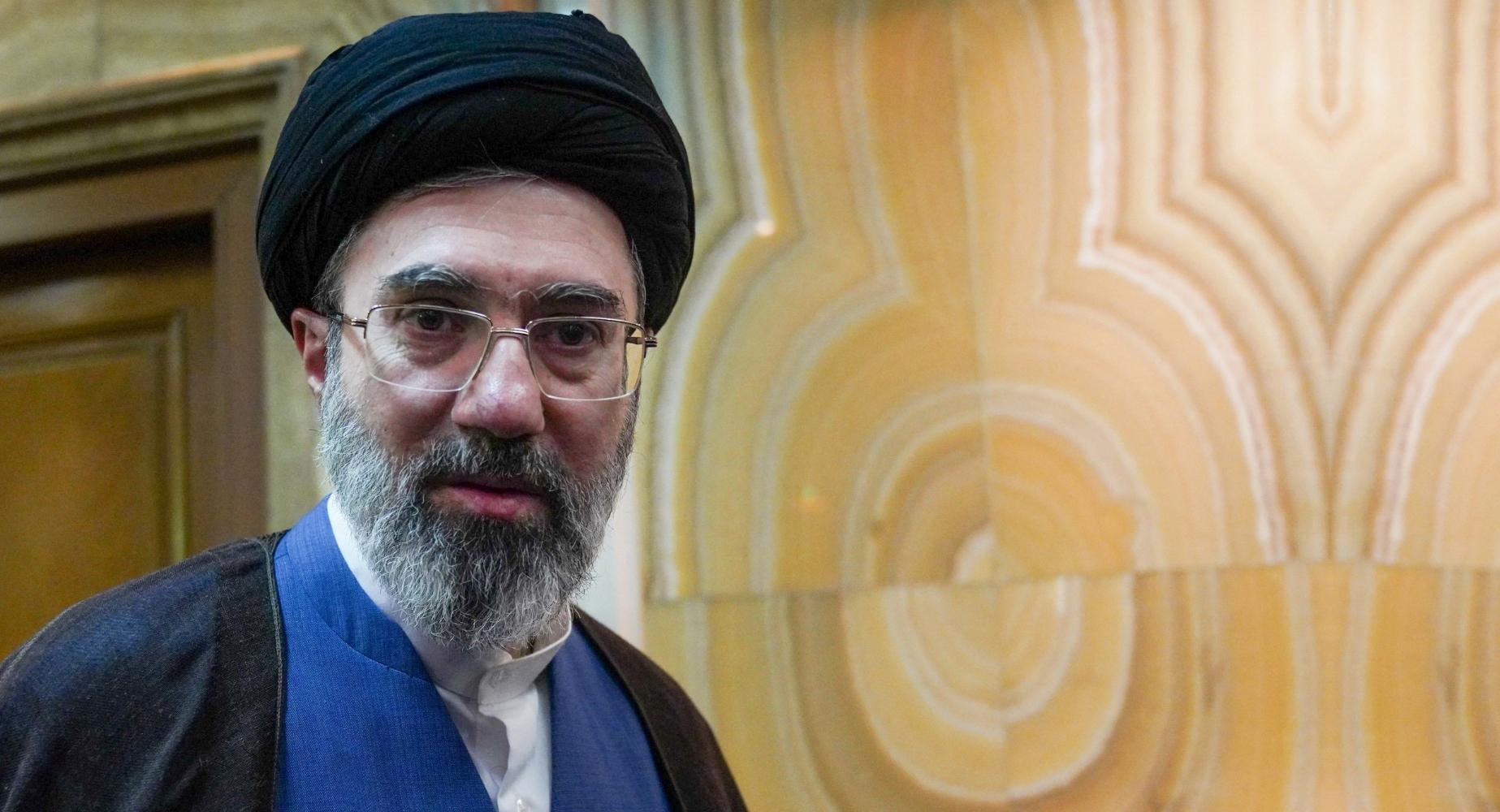
Nominally, the leadership role has been bestowed upon Khamene’i’s son, Mojtaba – reportedly wounded, and yet to be seen in public – whereas some real power has apparently devolved upon Mohammad Bagher Ghalibaf, formerly and IRGC commander, mayor of Tehran for 12 years, and now speaker of the Majlis (parliament), a man of questionable moral character but possibly seen by the trump Administration as a man they may be able to do business with.
What this means in practice is far from clear, since the regime has in fact been deliberately delegating authority to lower level of the Revolutionary Guards and the Basij so they would be able to act – namely, launch rockets at a range of neighboring countries and on Israel, and close off the Hormuz Straits – even if left effectively leaderless. It was manifest, early on, that attestations by Iran’s non-military leaders, such as President Masoud Pezeshkian and Foreign Minister Abbas Araghchi, that Iran harbors no intent to harm its Arab neighbors, were blithely ignored by the IRGC military in the field. It is clear that neither the president nor any of the “moderates” has any real impact on the course of the war. What is at work is the “Mosaic” doctrine, under which decentralized elements of the Pasdaran and Basij make their own decisions as to military operations as well as local repression.
At the same, in effect, the “Ayatollahs’ Regime” has ceased to be what it had been since 1979, namely a system of governance based on “Obedience to the Interpreter of the [religious] Law”, Velayet Faqih. There were always reasons to question the claim of ‘Ali Khamene’i to this ultimate position: even Khomeini, in his day, was not accepted by more prominent scholars, such as ‘Ali Sistani in Iraq as a superior, and Khamene’i was clearly of a less prominent rank. Still, he did hold to the trappings of religious authority: but as for Mojtaba, his claim to religious rank is obviously an absurdity, reminiscent of the bizarre dynastic succession in the Marxist monarchy called the “People’s Democratic Republic of Korea”, Iran’s friend and ally.
Mojtaba may be liked by the IRGC as a like-minded hard-liner and useful figurehead: but real power is clearly vested elsewhere, or rather, scattered among various IRGC elements. The tone of the loud and dismissive public responses to Trump’s suggestion of a negotiated outcome is being set by aggressive and almost comically arrogant IRGC elements (often in history, the worse a situation is, the more preposterous the presumption of those trying to fend off the real state of affairs). Meanwhile, the regular Army, the Artesh, have so far been irrelevant, even if some in the west had been pinning their hopes on their possible intervention.
What this probably means as that there is apparently no person – not even Ghalibaf, even if he does seek to establish himself as the key player – who can deliver on a major “deal” with the United States, regardless of what happens formally at the negotiating table (if indeed Pakistan succeeds in setting it up). Hence the diplomatic initiative put forward by Trump may play an important role, in itself, by building up the legitimacy of the American position – and having some calming effect on the markets: Iran was indeed presented by a reasonable alternative, and it will bear the responsibility for failure to negotiate in good faith. But the two crucial aspects of the war – namely, the need to take away Iran’s ability to take the world economy hostage, as well as to destroy the core of their military nuclear project – may well need to be achieved by force.
Once left without these two deadly levers in hand, the regime’s disintegration may accelerate. Systematic degrading of the IRGC and Basij forces – as well as more action on the part of opposition elements, including some of the restless minority groups – can then deepen the already visible fissures in the regime’s structure, and indeed, as the US and Israel have been careful to say, conditions would indeed be created for the people of Iran to finally take their fate into their own hands. After all, this immense suffering over decades was endured in order to reach the holy grail of nuclear power status: if this would be effectively denied, the average Iranian is entitled to ask herself for what purpose have so many sacrifices been made for so many years.