An ideological boycott has been laundered into a “high controversy” risk score — and your pension is paying for it.
For two decades the Boycott, Divestment and Sanctions movement tried to make Israel a pariah on supermarket shelves and university quads. It largely failed. The grocery boycotts never bit; the student-government resolutions made headlines and then evaporated. So the movement changed tactics. It put on a suit.
The new BDS no longer asks your campus to pass a non-binding resolution. It asks your pension fund’s outside consultant to score Israeli companies as “high controversy” on event-and-incident spreadsheets. It does not march; it quietly downgrades. The result is identical to a boycott — institutional capital exits Israel — but the mechanism is administrative, the language is fiduciary, and the cost falls on people who never voted for any of it: teachers, civil servants, retirees, and the workers whose municipal services depend on pension returns that just got smaller.
Since October 2023 the pattern has accelerated. Norway’s sovereign wealth fund, the world’s largest, cut its Israeli holdings from fifty-six companies to thirty-eight in a matter of months. Dutch pension giants ABP, PFZW and PME sold Israeli firms and major U.S. multinationals on the basis of UN Human Rights Council listings. In September 2025, Denmark’s AkademikerPension became the first institutional investor anywhere to exclude the State of Israel itself — its government bonds and state-owned companies. Minnesota, Michigan and North Carolina have divested Israel Bonds from their teacher retirement systems. Britain’s local-government pension funds are next. BDS names every one of these as a movement victory — because that is what they are.
What makes this generation of boycott so insidious is the wrapper. The same MSCI and Sustainalytics methodologies that score a German chemical company on its carbon emissions also score Israeli companies as “high controversy,” drawing source material from UN Resolution 31/36 listings and BDS-aligned advocacy NGOs. The wrapper presents this as risk analysis. It is not. Risk analysis is supposed to be symmetric: if you flag firms operating in disputed territory, you also flag those in occupied Western Sahara, Northern Cyprus, Crimea, Tibet, and jurisdictions with documented forced labor. The asymmetry is the tell. There is exactly one country in the world that earns a controversy score for existing.
Call it what it is: institutional antisemitism with a quantitative finish. The people enforcing the exclusion do not see themselves as bigots; they believe they are maintaining standards. That is precisely what makes it effective — it is deniable, conducted through committees, by people who would be offended to be called prejudiced. The exclusion is the same; only the packaging is new.
And here is the part the boycotters would rather beneficiaries not understand: it costs them money. A great deal of it.
The Anti-Defamation League’s JLens network, using the VettaFi index family, tested a BDS-aligned exclusion portfolio against the broad U.S. large-cap market over the past decade. It underperformed by 1.8 percent a year. The excluded names — Microsoft, Alphabet, Amazon, Caterpillar, Lockheed — are the ones that drove most of the market’s return. Projected across the hundred largest American university endowments, divestment would forgo roughly thirty-three billion dollars over the next decade. Harvard alone would lose two and a half billion. Brown, which is actively weighing divestment, would lose three hundred ten million — about fifteen million dollars a year of forgone operating capacity, the equivalent of several hundred financial-aid packages or two dozen tenure-track lines, sacrificed for a posture.
For working-age savers the math is starker. For example 1.8-2.0 percent annual drag, compounded over a forty-year career, cuts terminal retirement value by roughly half. That is not a “political signal” to a public-school teacher in Minnesota or a firefighter in North Carolina. It is the difference between a secure retirement and means-tested supplementation. Their trustees applied a moral screen they never voted for, and they will pay the bill.
A more recent June 2026 report examining similar BDS-aligned exclusion applied to the NYC Pension funds’ large-cap U. S. public equity portfolios could reduce pension assets by approximately $37.55 billion beween 2025-2035. Similary in that case, a similar exclusionary BDS-aligned index underperformed the benchmark by an average of 2.0% annually.
This potential underperformance of BDS-divestment has implications beyond the pension balance sheet. Legally, any shortfall in investment returns must be offset through higher emplyer contributions from the City of New York. Lower returns translate into increase budgetary obligations, requiring the city to redirect financial resources away from essential municipal services (education, public saftey or social services)raising costs to taxpayers and benficiaries of public services.
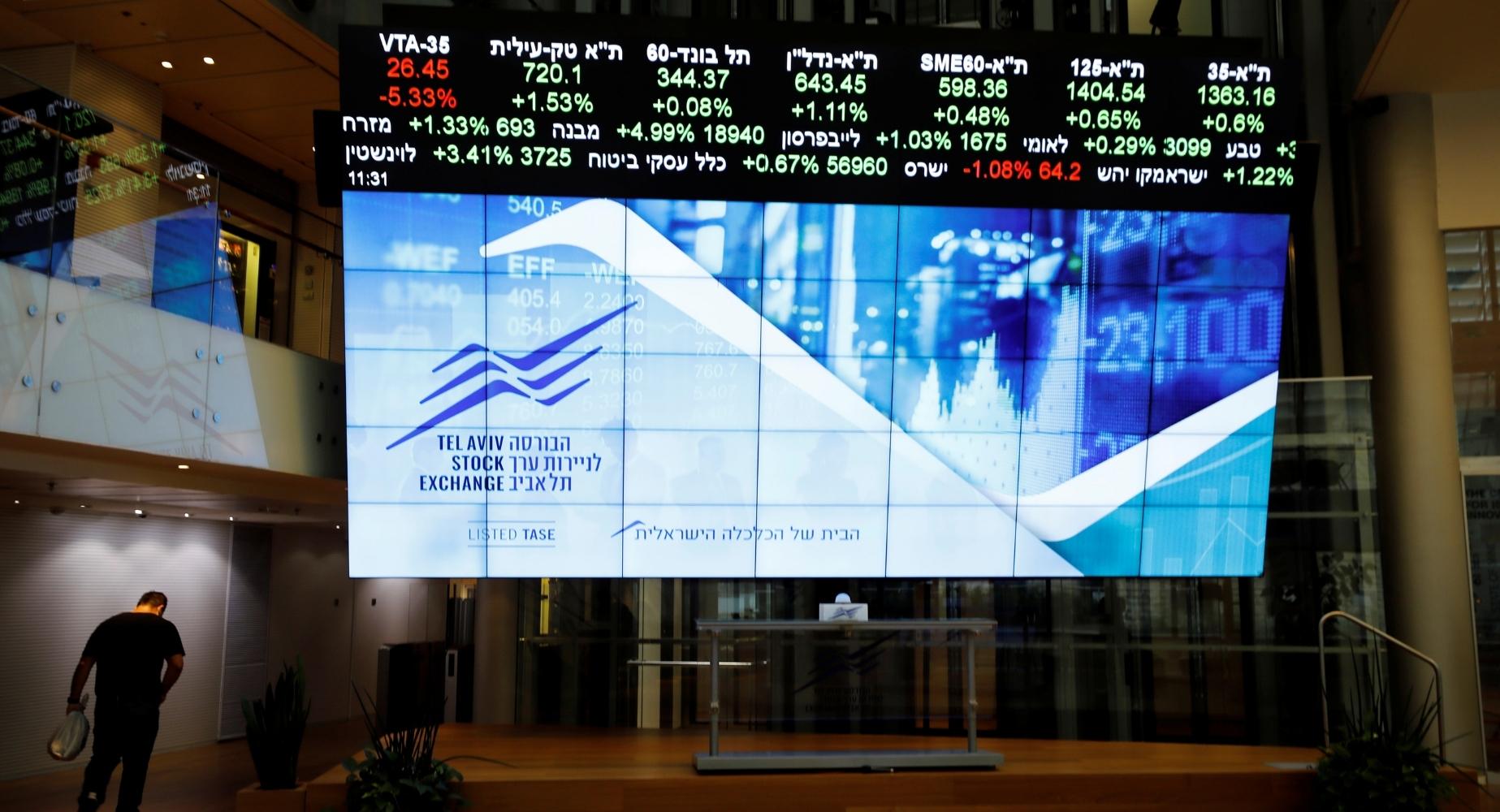
The irony is that the screen flags as risky one of the best-performing markets in the developed world. The Tel Aviv Stock Exchange’s TA-125 returned about fifty-one percent in 2025, against sixteen for the S&P 500; the dollar-denominated TA-35 returned seventy-two. The exchange did not close for a single trading day across two and a half years of war. Israel’s sovereign credit spreads are back to their pre-war baseline, and foreign holdings of Israeli securities stand at an all-time high of one hundred sixteen billion dollars. An institution exiting Israel in 2026 is selling a market that has beaten every major benchmark — not because of risk, but because the wrapper makes the exit administratively easy.
There is a way back, and it requires winning no argument about Middle East politics. Investment committees need to ask their consultants one question: are you applying this controversy methodology symmetrically across every jurisdiction in our portfolio, or only to one? The answer will end most of these conversations. Beneficiaries need to be told, in plain English and in basis points, what these screens cost them. And the affirmative case for Israel’s capital markets needs to be made on its merits, the way any developed-market opportunity is.
BDS lost the argument when it wore a keffiyeh. It is winning, quietly, now that it wears a suit. The answer is not louder slogans. It is to make the wrapper transparent, the symmetry test inescapable, and the cost to ordinary savers visible. The capital market is not where a boycott should be allowed to finish the work the campus rally could not.